Custom Fireplace Installation: What to Expect from Consultation to Completion
A custom fireplace can completely change the look and feel of a room. It can make a living room feel warmer, create a strong focal point, and even help improve how you use the space.
But installing a fireplace is more than picking a unit and putting it into a wall. There are decisions about fuel type, venting, clearances, materials, design, permits, and finishing work.
If you are planning a custom fireplace in the Chicago area, knowing what happens from the first consultation through final installation can make the process much easier.
Custom Fireplace Installation Starts With an In-Home Consultation
The first step is usually a consultation.
A fireplace professional will look at the room, talk about your goals, and check whether the space can support the fireplace you want.
During this visit, the installer may look at the wall, ceiling height, chimney location, gas access, electrical access, and nearby windows or doors.
They will also ask how you plan to use the fireplace.
Some homeowners want extra heat. Others mainly want the look of a fire. Some want both.
That answer helps narrow down the best fireplace type.
Choosing the Right Fireplace for Your Chicago Home
There are several fireplace options available.
Gas fireplaces are popular because they are easy to use and provide steady heat.
Wood-burning fireplaces offer the traditional look, sound, and smell of a real fire.
Electric fireplaces are easier to install in many spaces because they do not need a chimney or gas line.
Fireplace inserts can also be installed inside an existing masonry fireplace.
The right choice depends on your home, budget, and how much work you want to do after installation.
Custom Fireplace Design and Room Planning
Once the fireplace type is chosen, the design work begins.
This is where the fireplace becomes part of the room instead of just an appliance.
The installer may help plan the size of the opening, mantel height, hearth size, wall finish, television placement, and built-in shelving.
Common fireplace surround materials include:
- Brick
- Natural stone
- Manufactured stone
- Tile
- Marble
- Granite
- Concrete
- Wood mantels
- Metal accents
The goal is to make everything look like it belongs together.
Fireplace Venting and Chimney Requirements
Venting is one of the most important parts of fireplace installation.
Gas, wood, and pellet fireplaces all have different venting needs.
A direct-vent gas fireplace usually sends exhaust outside through a sealed vent system.
A wood-burning fireplace may need a masonry chimney or approved metal chimney system.
An insert may need a new chimney liner.
The installer will check the required vent size, height, and location before work begins.
This is also where existing chimneys may need inspection or repair.
Fireplace Clearance Requirements and Safety Planning
Every fireplace has minimum clearance rules.
These rules tell the installer how far the fireplace must be from wood framing, mantels, walls, televisions, trim, and other combustible materials.
Clearances can change depending on the fireplace model.
This matters a lot if you are planning a television above the fireplace or custom cabinets beside it.
A professional installer should review all of this before framing or finish work starts.
Gas Line and Electrical Work for Fireplace Installation
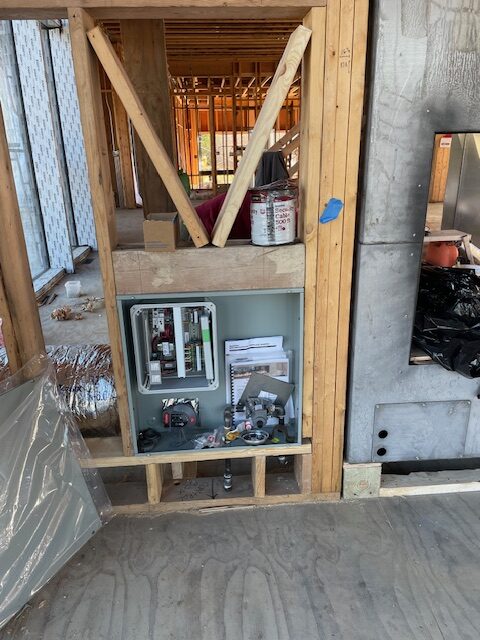
Gas fireplaces usually need a gas line and may also need electrical service.
The gas line supplies fuel to the burner.
Electricity may power the ignition system, blower, lighting, or remote controls.
Electric fireplaces obviously need power too, and larger units may need a dedicated circuit.
These items should be planned early.
It is much easier to run gas and electrical lines before the wall is finished.
Fireplace Permits and Local Building Codes
Depending on where you live, your fireplace project may require permits.
Chicago and surrounding suburbs can have different building, gas, and electrical rules.
The exact requirements may depend on the fireplace type and how much construction is involved.
A proper installation should follow both manufacturer instructions and local building rules.
This helps with safety and can also prevent problems when the home is sold later.
Custom Fireplace Framing and Rough Installation
Once the design and utility work are approved, framing can begin.
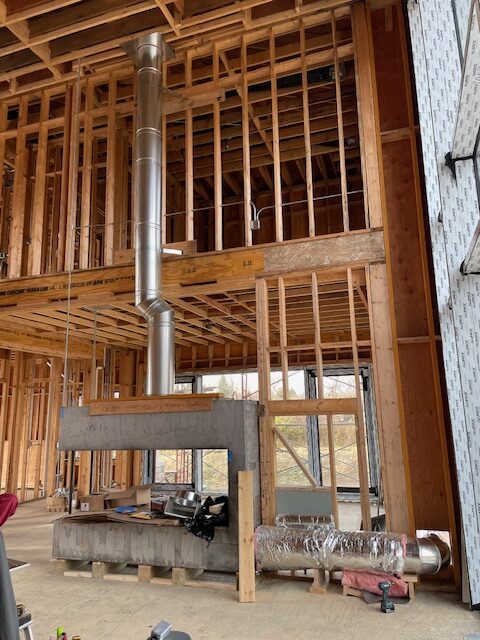
For a new fireplace, the installer may build a framed wall or chase around the unit.
The fireplace itself is installed into the opening.
Venting, gas, and electrical connections are completed at this stage.
The installer will also verify the clearances around the unit.
This part of the job may not look pretty yet, but it is where most of the important safety work happens.
Fireplace Surround and Finish Work
After the fireplace is installed and tested, the finish work begins.
This can include drywall, stone, brick, tile, mantels, hearths, and trim.
This is the stage where the design starts to come together.
A simple fireplace may have a clean tile surround and wood mantel.
A larger custom fireplace may include floor-to-ceiling stone, built-in cabinets, lighting, and a television above the mantel.
Good finish work can make the fireplace look like it was always part of the home.
Fireplace Testing and Final Safety Checks
Before the project is considered complete, the fireplace should be tested.
For gas fireplaces, the technician may check the burner, ignition, flame pattern, venting, and gas connections.
For wood-burning systems, the chimney and draft should be checked.
The installer may also explain how to use the controls, clean the glass, operate the damper, and perform basic maintenance.
Do not skip this part.
Knowing how the system works helps prevent mistakes later.
How Long Does Custom Fireplace Installation Take?
Installation time depends on the project.
A simple electric fireplace may only require a short installation.
A gas fireplace with new framing and finish work can take longer.
A full custom masonry fireplace or chimney project may take several days or more, especially if there is stonework, inspections, or weather delays.
The best way to avoid surprises is to ask for a project timeline before work begins.
What Impacts the Cost of Custom Fireplace Installation?
Fireplace installation costs can vary a lot.
The fireplace itself is only one part of the total cost.
Price can also depend on venting, gas lines, electrical work, framing, stone or tile, mantel work, chimney repairs, and permits.
A large custom stone fireplace will cost more than a simple electric unit installed in drywall.
Ask for an itemized estimate so you can see where the money is going.
Custom Fireplace Installation in Chicagoland
Chicago-area homes come in many different styles.
You may be working with an older brick home, a suburban family room, a finished basement, or a newer open-concept house.
Each one creates different installation challenges.
Older homes may have chimney damage or outdated gas lines.
Newer homes may be tightly sealed and require careful venting planning.
A local fireplace professional can help design a system that works with the home instead of forcing a one-size-fits-all solution.
You can learn more about <a href=”https://www.chicagofireplaceinc.com/fireplace/“>custom fireplace installation and fireplace services</a> from Chicago Fireplace Inc.
What to Expect After Your Fireplace Installation
Once the project is complete, your installer should show you how to operate and care for the fireplace.
You should know how to start and shut down the unit, clean it, and recognize signs that something is not working correctly.
Gas fireplaces may need periodic burner and vent inspections.
Wood-burning fireplaces need chimney inspections and cleaning.
Keeping up with maintenance helps protect the investment and keeps the fireplace working well.
Planning a Custom Fireplace From Start to Finish
A custom fireplace project works best when design, safety, and installation are planned together.
Start with a professional consultation. Choose the right fireplace type. Plan the venting, utilities, and clearances. Then move into framing and finish work.
When each step is done correctly, the result can become one of the most-used and best-looking features in the home.
A well-designed fireplace should do more than look good. It should fit the room, work safely, and be easy to enjoy for many years.